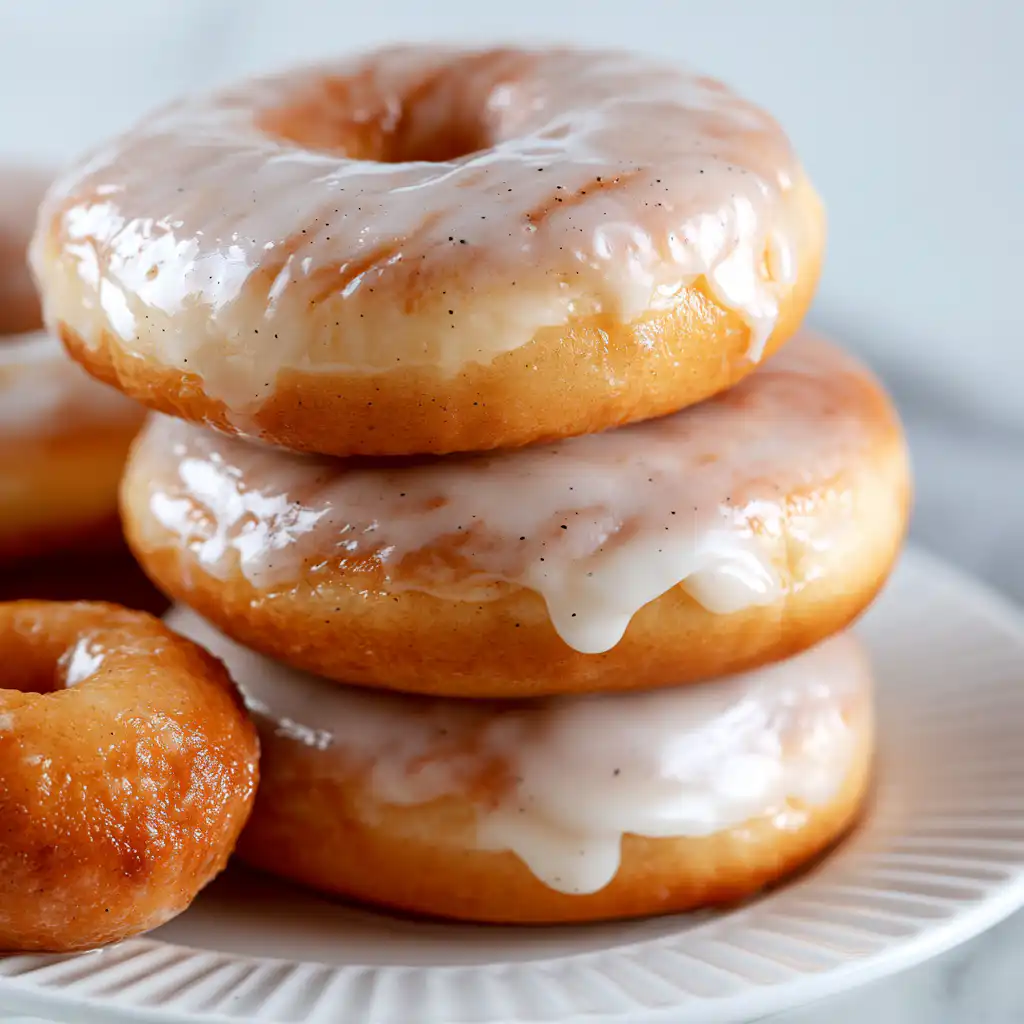
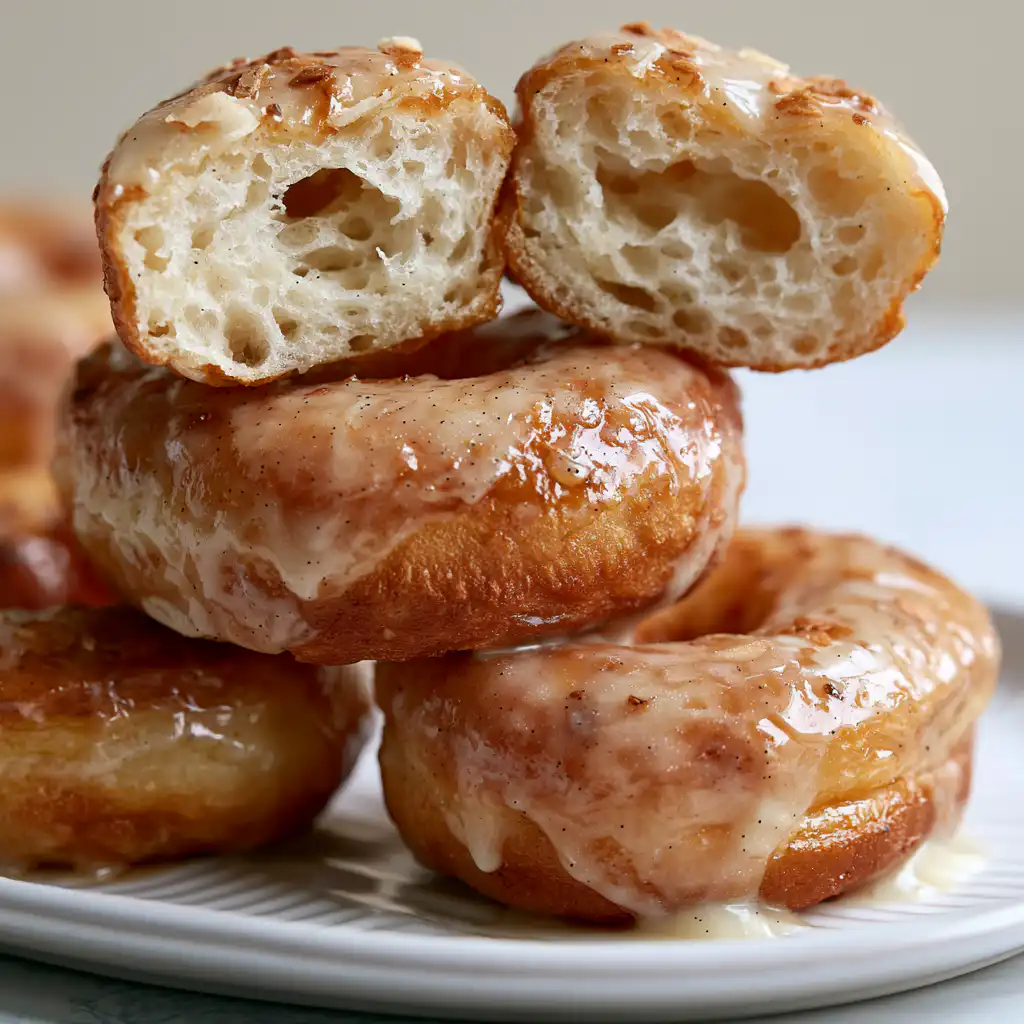
There’s something truly magical about turning a simple sourdough starter into something utterly decadent. For years, I adored baking with sourdough, but mostly breads and savory things. Then, one lazy Sunday morning, I found myself craving something sweet and pillowy, and a lightbulb went off: why not Sourdough Donut Recipe? The first batch was an absolute revelation – fluffy, just a hint of tang, and so much more satisfying than any store-bought donut. Now, these are a staple in my home, bringing smiles and a delicious aroma every time I make them.
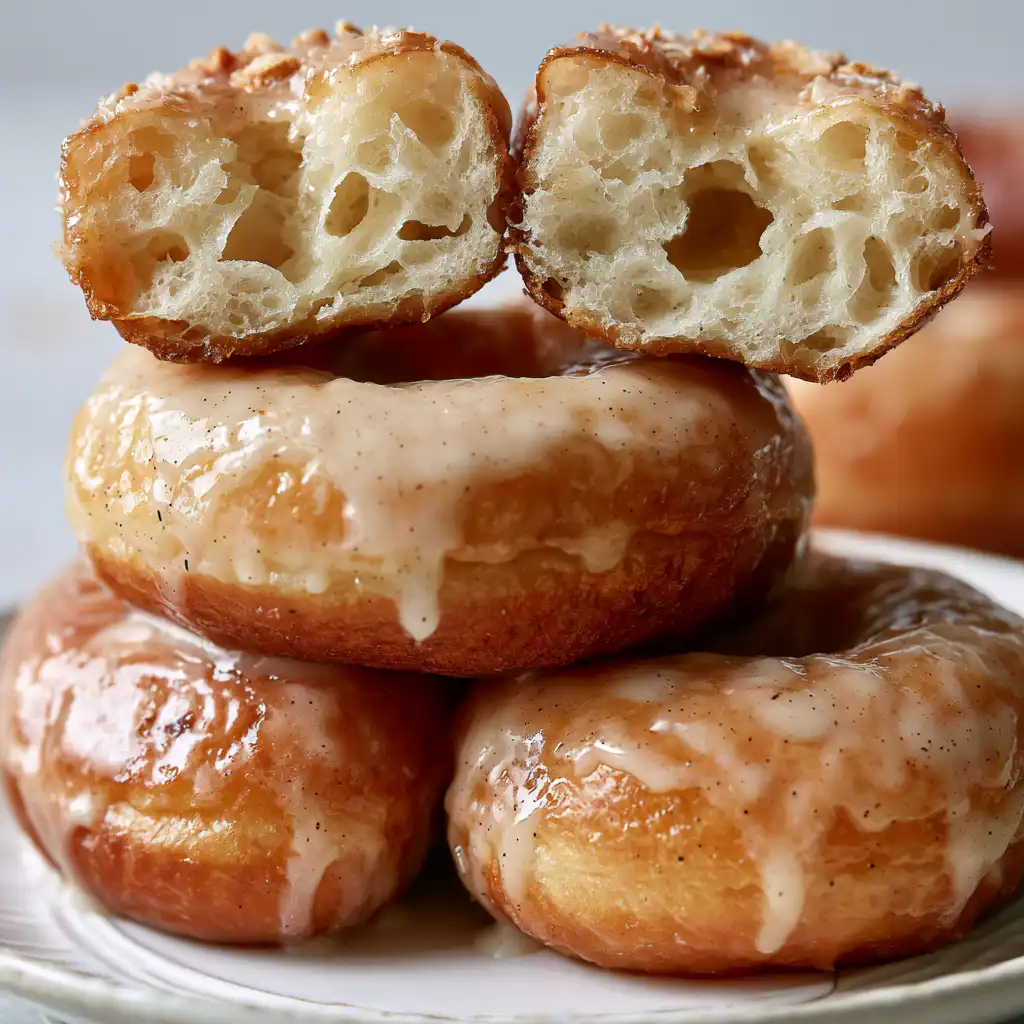
Why You’ll Love This Sourdough Donut Recipe
- They’re incredibly light and airy, with that perfect melt-in-your-mouth texture.
- The subtle sourdough tang adds a unique depth of flavor you won’t find in regular donuts.
- Making them is a rewarding baking project, perfect for a cozy weekend in.
- You get to enjoy fresh, warm donuts right from your kitchen – what could be better?
Ingredients You’ll Need
- Unfed Starter: This is your sourdough starter that hasn’t been fed recently. It’s less active, which is perfect for building up the sweet stiff starter.
- Bread Flour: The higher protein content in bread flour gives these donuts their wonderful chewy texture and helps with gluten development. Don’t substitute with all-purpose flour if you want the best results!
- Milk: Use whole milk for richness. Make sure it’s warm for the sweet stiff starter, but not too hot – you don’t want to harm your starter!
- Sugar: Granulated sugar gives sweetness to both the starter and the dough.
- Egg: A room temperature egg helps with emulsification and adds richness and color to the dough.
- Unsalted Butter: Room temperature butter incorporates smoothly into the dough, making it tender and flavorful.
- Neutral Oil for Frying: Choose an oil with a high smoke point like vegetable oil, canola oil, or peanut oil.
- Powdered Sugar: This is for our simple, classic vanilla glaze. Don’t use granulated sugar here!
- Vanilla Paste or Extract: Vanilla paste gives a stronger, more visible vanilla flavor, but extract works beautifully too.
How to Make Sourdough Donut Recipe Step by Step
Making these donuts starts the night before by preparing our sweet stiff starter. This is a special mix of your unfed sourdough starter, warm milk, sugar, and bread flour. You’ll combine these, knead them into a smooth ball, and then let it sit at room temperature to triple in size. This step is crucial for developing that lovely sourdough flavor and getting the leavening going. Don’t worry if it takes a while; in a 70°F kitchen, it can take around 12 hours!
The next day, before you even think about mixing the main dough, you’ll make the tangzhong. This is a simple flour and milk paste cooked on the stovetop until it thickens. It’s a secret weapon for incredibly soft and moist donuts! After it’s cooked, spread it on a plate and pop it in the fridge to cool down quickly. Once cooled, you’ll combine all your dough ingredients – flour, sugar, salt, tangzhong, egg, milk, and your sweet stiff starter – in a stand mixer. Mix until a thick dough forms, then gradually add the room temperature butter. This is where the magic happens! Knead for a good 10-15 minutes until the dough is smooth, elastic, and passes the windowpane test.
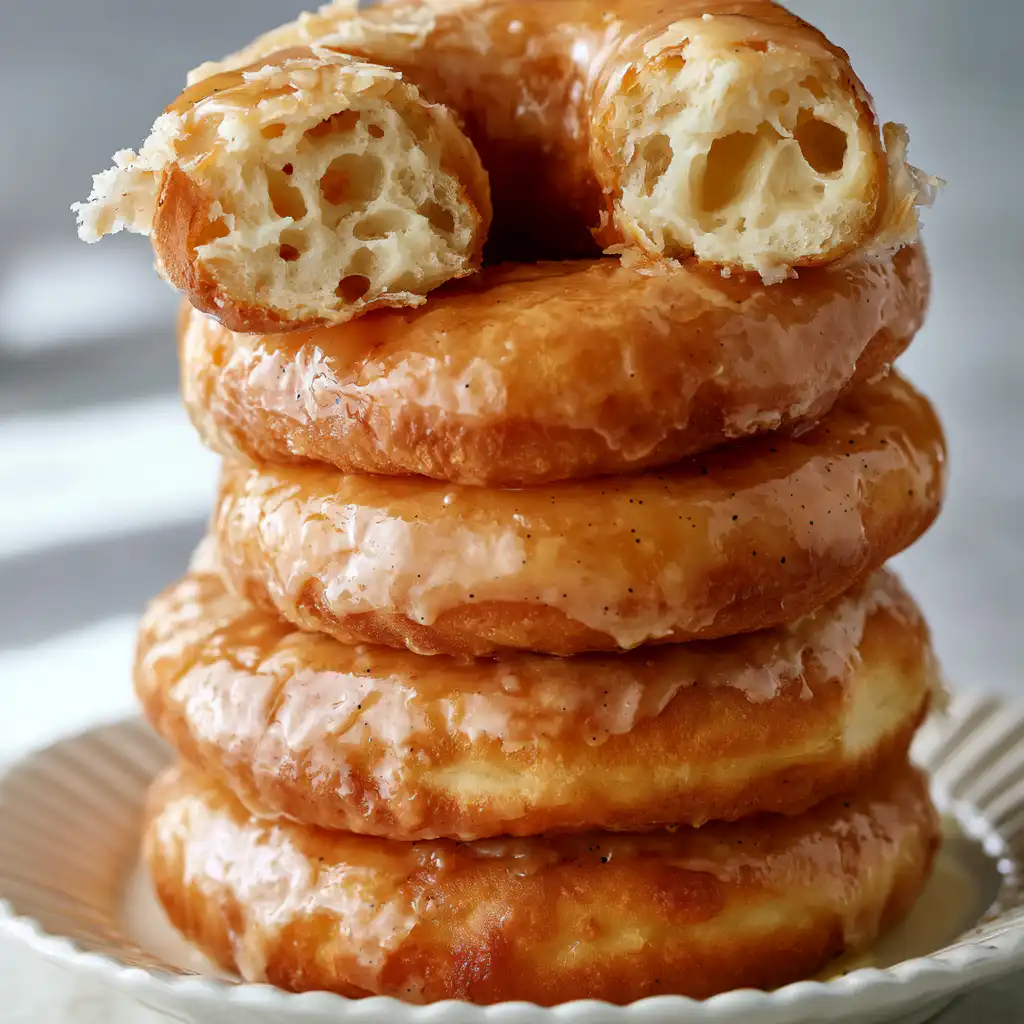
After the first knead, your dough needs to rest and double in size. Keep it in a warm spot, around 75-78°F, for about 4-5 hours. Once it’s beautifully risen, gently roll it out to about ½ to ¾ inch thick. Using a donut cutter to cut out your donuts and donut holes. Place them on parchment paper on a baking sheet, cover them, and let them rise again until they’re puffy and light. This second rise is super important for airy donuts, so don’t rush it! While they’re rising, heat your oil to 360°F. Fry your donuts until golden brown, then whip up a quick vanilla glaze to dip them in. Let them cool slightly, and then enjoy your homemade Sourdough Donut Recipe!
My Top Tips for Success
- I always make sure my sweet stiff starter has truly tripled in size and smells sweet before using it. It makes all the difference.
- In my experience, cooling the tangzhong completely before adding it to the dough is non-negotiable for the best texture.
- Trust me on this one: don’t skimp on kneading! The windowpane test is your best friend for perfectly developed dough.
- I find that proofing the donuts in a slightly warm environment (like a proofing box or a turned-off oven with the light on) yields the puffiest results.
- Always check your oil temperature with a thermometer. Too hot, and they burn; too cool, and they get greasy.
- Don’t overcrowd the pot when frying. This keeps the oil temperature stable and ensures even cooking.
Common Mistakes to Avoid
- Using a cold egg or milk in the dough: Cold ingredients can stiffen the butter and make the dough harder to mix evenly. Always use room temperature ingredients for a smooth, cohesive dough.
- Not cooling the tangzhong: Adding warm tangzhong to the dough can prematurely cook the egg and affect the yeast’s activity. Ensure it’s completely cooled before mixing.
- Under-kneading the dough: If the dough doesn’t pass the windowpane test, it means the gluten isn’t fully developed. This can lead to dense, tough donuts. Keep kneading until it’s elastic and smooth.
- Under-proofing the donuts: Rushing the second rise results in heavy, bread-like donuts. They need to be light and puffy, almost marshmallow-like, before frying.
- Incorrect oil temperature: Oil that’s too low will result in greasy donuts, while oil that’s too high will burn the outside before the inside cooks. Use a thermometer and maintain 360°F.
How to Store Sourdough Donut Recipe
- Room Temperature: 24 hours. Store in an airtight container.
- Refrigerated: 2-3 days. Place in an airtight container. They are best warmed slightly before eating.
- Freezer (un-glazed): Up to 1 month. Freeze unglazed donuts in a single layer on a baking sheet, then transfer to a freezer-safe bag or container. Thaw at room temperature and glaze before serving.
Frequently Asked Questions
Can I use active sourdough starter instead of sweet stiff starter?
Yes, you can use 200 grams of 100% hydration active sourdough starter. However, the donuts will have a tangier flavor. You will also need to omit the extra 55 grams of milk from the dough recipe.
What is tangzhong and why is it used?
Tangzhong is a paste made from cooking flour and liquid together. It helps create an incredibly soft, moist, and tender crumb in baked goods. It does this by gelatinizing the starches in the flour, allowing them to absorb and retain more liquid.
How do I know if my dough is kneaded enough?
Your dough is kneaded enough when it’s no longer sticky, feels smooth and elastic, and passes the windowpane test. This means you can stretch a small piece of dough thinly enough to see light through it without it tearing.
What if my kitchen is too cold for proofing?
Enriched doughs like this one love warmth. If your kitchen is cool, find a warm spot like a turned-off oven with the light on, or use a proofing box. A consistent temperature of 75-78°F is ideal for good rising.
Can I make these donuts ahead of time?
Yes! After the first rise, you can cover the donuts in the fridge overnight and continue with the 2nd rise the following morning. Since the dough will be cold from the fridge, the 2nd rise will take longer to complete, about 2-3 hours at 77 degrees F. Don’t rush this step! Cold and underproofed dough will result in dense, bread-like donuts.
I hope you feel inspired to try this Sourdough Donut Recipe! There’s nothing quite like the satisfaction of making these pillowy, slightly tangy treats from scratch. They’re truly a labor of love, but so worth it for that first warm bite. If you make them, please let me know how they turn out!
PrintSourdough Donut Recipe

Fluffy, tender sourdough donuts with a subtle tang, fried to golden perfection and coated in a sweet vanilla glaze.
- Prep Time: 30
- Cook Time: 15
- Total Time: 800
- Yield: 8-9 donuts
- Category: Dessert
- Method: Frying
- Cuisine: American
- Diet: Vegetarian
Ingredients
- 20 grams unfed starter
- 55 grams milk (1/4 cup) for sweet stiff starter
- 15 grams sugar (scant 1 Tablespoon) for sweet stiff starter
- 110 grams bread flour (3/4 cup) for sweet stiff starter
- 160 grams milk (1/2 cup + 3 Tablespoons) for tangzhong
- 35 grams bread flour (1/4 cup) for tangzhong
- 300 grams bread flour (2 cups + 1 Tablespoon) for dough
- 66 grams sugar (1/3 cup) for dough
- 6 grams salt (1 teaspoon) for dough
- 1 egg room temperature
- all the sweet stiff starter
- all of the tangzhong
- 55 grams milk, room temperature (1/4 cup) for dough
- 70 grams unsalted butter, room temperature (5 Tablespoons)
- neutral oil for frying
- 430 grams powdered sugar (3 cups + ) for glaze
- 95 grams hot water (1/3 cup + 1 Tablespoon) for glaze
- 6 grams vanilla paste or extract (1 1/2 teaspoons) for glaze
- pinch of salt for glaze
Instructions
- Prepare the sweet stiff starter the night before making the donut dough.
- Combine unfed starter, 55 grams warm milk, and 15 grams sugar in a bowl. Whisk until combined.
- Add 110 grams bread flour and mix until a shaggy dough forms.
- Transfer the dough to a clean work surface and knead until a smooth dough ball forms.
- Place the dough back into the bowl, cover with plastic wrap, and leave to triple in size (about 12 hours at 70°F).
- Before mixing the donut dough, prepare the tangzhong.
- Add 160 grams milk and 35 grams bread flour to a small saucepan and whisk until flour is incorporated.
- Bring to medium heat, whisking continuously, until a thick paste forms (about 4-5 minutes).
- Remove from heat and allow the tangzhong to cool completely.
- To cool quickly, spread the tangzhong over a large plate, cover with plastic wrap, and place in the fridge for 5-10 minutes.
- In the bowl of a stand mixer fitted with a dough hook, whisk together 300 grams bread flour, 66 grams sugar, and 6 grams salt.
- Add the room temperature tangzhong, room temperature egg, and 55 grams room temperature milk.
- Divide the sweet stiff starter into 15-20 pieces and add to the mixing bowl.
- Mix on low speed for 2-3 minutes, or until all ingredients are incorporated and a stiff dough forms.
- While still mixing on low, add the 70 grams unsalted butter one tab at a time, allowing each addition to fully incorporate before adding more.
- Once all butter is added, increase to medium speed and knead for 10-15 minutes, or until the dough passes the windowpane test.
- Place the dough in a lightly greased, straight-edge bowl, cover, and leave to double in size (4-5 hours at 75-78°F).
- Lightly flour a work surface and dust the top of the dough with more flour.
- Using a floured rolling pin, roll the dough out to ½-¾ inch thick.
- Using a donut cutter, cut out 8-9 donuts.
- Gather the dough scraps, knead them gently, and wait about 30 minutes before rerolling and cutting more donuts.
- Place each donut and donut hole on its own square of parchment paper.
- Arrange the parchment squares with donuts on a rimmed baking sheet.
- Cover and leave to rise until doubled in size and puffy (1-2 hours at 77°F, or until they jiggle when shaken).
- Just before the donuts finish their second rise, preheat 2 inches of neutral oil to 360°F in a heavy-bottom pot or cast iron skillet.
- Carefully place 2-3 donuts (with parchment paper) into the hot oil at a time.
- Use kitchen tongs to remove the parchment paper after about 10 seconds.
- Fry each donut for 2 ½ minutes total, flipping halfway through.
- Using a slotted spoon, carefully remove the golden brown donuts and place them on a wire rack to drain.
- Allow the oil temperature to return to 360°F before frying the next batch.
- To make the vanilla glaze, whisk together 430 grams powdered sugar, 95 grams hot water, 6 grams vanilla paste or extract, and a pinch of salt in a medium bowl until smooth.
- Dip each side of the fried donuts in the glaze, allowing any excess to drip off.
- Place glazed donuts back on the wire rack to dry.
- Wait about an hour until the donuts are fully set before serving. Enjoy!
Notes
Ensure your milk for the sweet stiff starter is warm (around 100°F), but not hot enough to kill the starter.
Cooling the tangzhong completely is crucial for the dough’s texture and to prevent cooking the egg.
When frying, maintain a consistent oil temperature of 360°F for perfectly cooked, non-greasy donuts.
Don’t overcrowd the frying pot; fry in batches to keep the oil temperature stable.